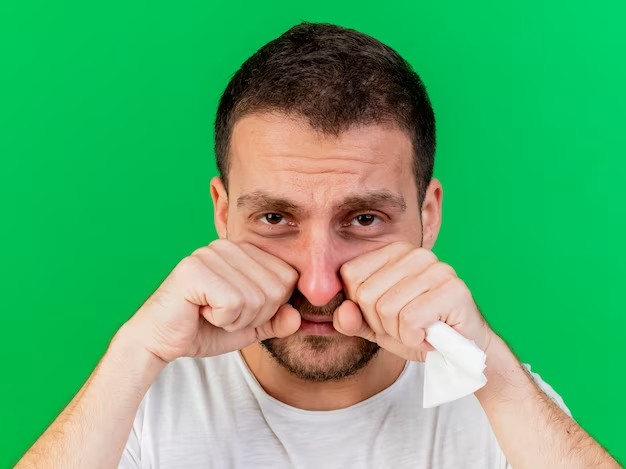
Facial redness can be both a temporary blush or a persistent feature. While a quaint, rosy glow is often associated with health and vigor, a perpetually red nose might hint at underlying concerns. It’s a common misconception that this redness boils down to just a natural quirk or an inconsequential genetic smudge, but the truth unravels a range of potential triggers. Understanding the cause is crucial since it steers the course of treatment and management.
Factors Contributing to a Red Nose
- Environmental Influences
Your environment plays a pivotal role in your skin’s appearance. In particular:
- Weather Conditions: Extreme cold can cause the tiny blood vessels in your nose to dilate and contract. The nose, protruding from your face and lacking insulating fat, suffers the brunt of the chill.
- Sun Exposure: UV rays from the sun can cause sunburn, leading to a reddened nose. Additionally, chronic sun exposure without proper protection can lead to persistent redness and damage.
- Physical Irritants
Another set of culprits are the physical irritants that we encounter daily:
- Allergies: Nasal allergies can lead to cycles of rubbing and blowing your nose, irritating the skin and giving it a reddish tint.
- Cosmetic Products: Some cosmetic products can irritate the sensitive skin on your nose, causing redness or dermatitis.
A closer observation of these factors can help you identify ways to alleviate the redness. Implementing precautionary measures, such as using scarves during cold weather and applying sunscreen, can make a significant difference. However, if environmental mitigation does not decrease the redness, we must consider other underlying medical conditions that could be at play.

Medical Conditions that Could Explain Nasal Redness
There are numerous potential medical conditions that might naturally cast a rubicund shade over your nose:
- Rosacea
- Lupus
- Rhinophyma
- Seborrheic Dermatitis
| Medical Condition | Primary Symptoms | Commonly Affected Areas |
|---|---|---|
| Rosacea | Redness, visible blood vessels | Cheeks, Nose |
| Lupus | Butterfly rash, joint pain | Cheeks, Nose Bridge |
| Rhinophyma | Enlarged nose, thickened skin | Nose |
| Seborrheic Dermatitis | Redness, scaly patches | Scalp, Nose |
Lifestyle and Dietary Impacts on Skin
Your way of life can also influence the reddish hues apparent on your facial landscape.
- Alcohol Consumption
- Spicy Foods
- Stress Levels

Remedies and Preventative Measures
You have the power to soothe your skin and soothe the redness. By incorporating a few changes into your daily routine, you can see noticeable improvements in your skin’s tone and texture.
- Skincare Routines
Committing to a gentle skincare routine can make a world of difference. Start by integrating products designed to fortify the skin’s natural barrier:
- Protective Products: Broad-spectrum sunscreens are vital in shielding your delicate skin from the harshness of UV rays. Make sure to apply it diligently, even during cloudy days.
- Gentle Cleansers: Use mild, fragrance-free cleansers that respect your skin’s pH. This helps prevent irritation that could further inflame your nose.
- Medical Treatments
If environmental and lifestyle approaches are insufficient, it might be time to consider medical intervention:
- Topical Medications: These may include metronidazole or azelaic acid, which have been shown to reduce inflammation and redness caused by conditions like rosacea.
- Laser Therapy: For stubborn redness or visible blood vessels, laser treatments can be a highly effective method to restore an even skin tone.
Before embarking on any medical treatments, consulting with a dermatologist is critical to choose the right approach for your specific condition.
- Natural Remedies
Nature offers its own palette of solutions to relieve a red nose:
- Aloe Vera: Known for its soothing properties, aloe vera can calm irritated skin and provide a cool respite for inflammation.
- Green Tea: Rich in antioxidants, topical green tea extracts can reduce redness and inflammation when applied to the skin.
While these natural remedies can be gentler on the skin, it’s essential to patch-test any new product or ingredient and look out for any adverse reactions.

Conclusion
Having traversed the various landscapes that can give rise to a nose colored in shades of persistent crimson, we find that the causes are as diverse as the solutions are plentiful. From braving the environmental challenges with armor-like skincare to navigating the medical seas for condition-specific treatments, there is a reassuring plethora of avenues available to anyone looking to demystify and de-redden their nasal palette. Always remember, seeking advice from professionals can illuminate the path to clearer, calmer skin.
FAQs
- What is a common mistake people make when trying to treat facial redness? A frequent misstep is the overuse of harsh, abrasive skincare products in the hopes of quick results. This can lead to further irritation and exacerbate redness. Gentleness is key.
- Can dietary changes really improve the redness of my nose? Yes, some people find that reducing the intake of alcohol and spicy foods, known to trigger flushing, can decrease the frequency and intensity of redness over time.
- Are there specific sunscreen types that are better for protecting a red nose? Definitely. Physical sunscreens containing zinc oxide or titanium dioxide tend to be less irritating for sensitive skin and offer effective broad-spectrum protection.
- How do I know if my nasal redness is caused by a medical condition? Persistent redness or redness accompanied by other symptoms like swelling, pain, or pus can indicate a medical condition. It’s best to consult with a dermatologist for an accurate diagnosis.
- What is the first step I should take if I’m concerned about persistent facial redness? The initial step would be to monitor any potential triggers and lifestyle habits that might be contributing. For persistent or concerning redness, seeking the advice of a healthcare professional is advisable.