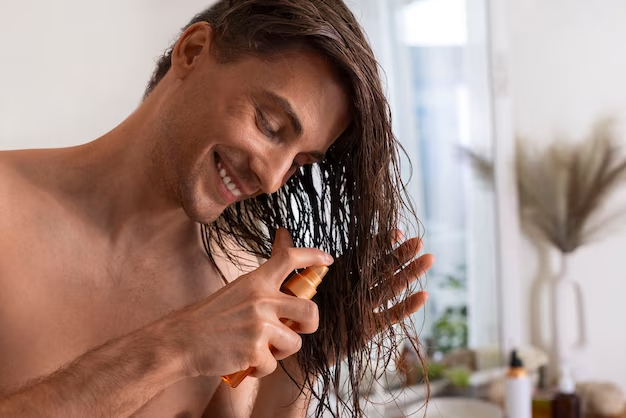
In the quest for healthier hair and a more natural lifestyle, some individuals have turned to the water-only hair washing method, a regime that involves forgoing traditional shampoos in favor of rinsing the hair with water alone. The central question many ask is whether this method leads to greasy hair. Surprisingly, for many, the answer is no, but it often involves a transition period and requires specific techniques. This article delves into why washing your hair with just water might not make it greasier, the transition that one might experience, and how to properly maintain your hair’s health if you decide to adopt this minimalist approach.
Understanding Your Hair’s Natural Oils
Your scalp naturally produces an oil called sebum, which is vital for maintaining healthy, moisturized hair. Shampoos, while effective at cleaning, can strip away these natural oils causing your scalp to produce even more sebum in response.
What Are Sebum and Its Role in Hair Health?
Sebum is the natural oil produced by sebaceous glands on your scalp. It has several purposes: it protects hair from damage, lubricates the hair shaft, and contributes to hair’s natural shine. However, an overproduction can lead to hair that looks and feels greasy.
The Impact of Shampoos on Scalp Oil Production
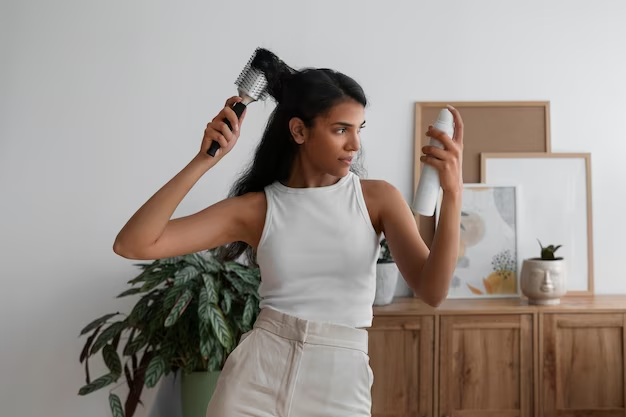
Traditional shampoos contain detergents that cleanse dirt but also remove natural oils. Your scalp, in an attempt to compensate for this loss, may overproduce sebum which can kick off a cycle of greasiness that prompts more frequent washing.
A table to better understand the effects of shampoo versus water-only washing:
| Aspect | Shampoo Washing | Water-Only Washing |
|---|---|---|
| Sebum Removal | High (can strip natural oils) | Low (keeps natural oils intact) |
| Scalp Health | Can be drying; may cause excess oil production | Promotes natural oil balance |
| Environmental | Chemical runoff; plastic packaging | Minimal environmental impact |
| Cost | Recurring expense | Cost-saving |
| Maintenance | Frequent washing needed | Reduces frequency of washes over time |
The Transition Period: Patience is Key
When switching to water-only hair washing, there is an inevitable adjustment period where your scalp recalibrates its sebum production. During this time, it’s not uncommon for hair to appear greasier than usual.
- What to Expect During the Initial Weeks During this phase, which can last anywhere from a few weeks to a few months, the scalp is learning to regulate oil production. The duration varies greatly among individuals and can be influenced by several factors such as previous hair care routines and individual biology.
- Tips to Manage the Transition Phase
- Utilize dry shampoo or DIY alternatives like cornstarch or arrowroot powder to absorb excess oil.
- Style hair in ways that conceal greasiness, such as updos or braids.
- Incrementally increase the time between washes before fully transitioning to water-only, to allow your scalp to adjust slowly.
- Rinse hair with lukewarm water which is less likely to stimulate oil production compared to hot water.
Techniques for Effective Water-Only Hair Washing
Achieving the best results with water-only washing demands specific techniques that assist in managing natural oils without over-stimulating the scalp.
- The Importance of Water Temperature Warm water can aid in loosening accumulated oils and dirt, but too hot water can increase sebum production. Cold water, while less effective at dissolving oils, can help close the hair cuticle and enhance shine.
- Scalp Massaging Techniques Gentle scalp massage during rinsing can help dislodge buildup and spread oils evenly to nourish hair naturally. A scalp brush can be a useful tool for this.
- Brushing and Distributing Oils Using a boar bristle brush can help distribute oils from the scalp down the hair shaft, which both conditions the hair and reduces the greasy appearance at the scalp.
Factors That Influence Greasiness
Since every individual’s hair is different, various factors come into play when it comes to how oily or greasy your hair might become with the water-only washing method. Understanding these can help you better navigate and personalize your hair care routine.
Water Hardness and Its Effects
The mineral content of the water in your area can greatly impact the success of water-only washing. Hard water, which is high in minerals like calcium and magnesium, can leave deposits on hair, making it feel more weighty and potentially greasier. Using a shower filter or rinsing with distilled or softened water can help mitigate these effects.
Individual Variability in Sebum Production
Genetics and hormonal levels dictate how much sebum your scalp produces. Some people may find that their scalp naturally settles into a less oily state with water-only washing, while others’ sebum production might be too high for the method to work effectively for them.
External Environmental Influences
Living in a polluted area, having a high-stress lifestyle, or even weather changes can all contribute to the level of grease in your hair. Protecting your hair from environmental factors with head coverings or adapting stress-management techniques can play a role in maintaining balance.
The Long-Term Effects and Potential Benefits
If you can navigate past the initial transition phase and find a technique that suits your hair type and lifestyle, there are several long-term effects and potential benefits to water-only hair washing that you might experience.
- Changes in Hair Texture and Volume Over time, many who stick with the water-only method report a positive change in their hair texture and volume. Hair can become more manageable and display its natural wave or curl pattern more prominently.
- Cost Savings and Environmental Impact Water-only washing is essentially free, and you’ll save money by no longer purchasing shampoos and conditioners. Beyond personal savings, this method reduces the environmental burden of manufacturing, packaging, and disposing of hair care products.
- The Reality of Achieving Balanced, Non-Greasy Hair The allure of achieving balanced, non-greasy hair without the use of products can be a reality for some. This process, however, is not achieved overnight and requires a commitment to adjusting habits and expectations about hair care.
Real Testimonials and Experiences with Water-Only Hair Washing
Many online forums and beauty blogs feature testimonials from individuals who have tried water-only hair washing. From these, it’s clear that experiences vary greatly, but positive accounts often cite improved hair health, reduced product dependency, and greater ease in managing hair.
Alternatives to Water-Only Washing for Grease Management
If water-only washing doesn’t seem like the right fit for your lifestyle or hair type, there are other less extreme methods to reduce greasiness:
- Using gentler, sulfate-free shampoos can help maintain natural oil balance while still providing cleanliness.
- Incorporating cleansing conditioners or ‘co-washing’ products can clean hair with less stripping of natural oils.
Conclusion: Making an Informed Decision about Water-Only Washing
Deciding to try the water-only hair washing method is a personal choice influenced by a variety of factors. It’s vital to weigh the potential benefits against the adjustments and commitment it requires. Although it isn’t for everyone, many have found this method to be a sustainable and healthy alternative to traditional hair care routines.
FAQ
- Can I use conditioner with the water-only washing method? While the water-only method typically excludes the use of conditioners, some people find success in occasionally using a lightweight or natural conditioner to help detangle and moisturize, especially during the transition phase.
- How long does the transition period typically last? The transition period can last from a few weeks to a few months. It’s different for everyone and largely depends on factors such as how often you used to wash your hair with shampoo, and your individual scalp’s oil production.
- Does water-only washing work for all hair types? Water-only washing can work for various hair types, though it may be more challenging for those with naturally oily hair or scalp conditions. It’s essential to understand your hair and possibly consult a trichologist before making a switch.
- How can I deal with hard water when trying water-only washing? If you have hard water, using a shower head filter or rinsing your hair with distilled or filtered water, especially as a final rinse, can help to reduce mineral buildup and maintain your hair’s natural oil balance.
- What are the signs that water-only washing isn’t for me? If you’re experiencing persistent itchiness, discomfort, excessive greasiness even after the transition period, or if you simply miss the feel and scent of traditional hair care products, water-only washing may not be suitable for your needs.