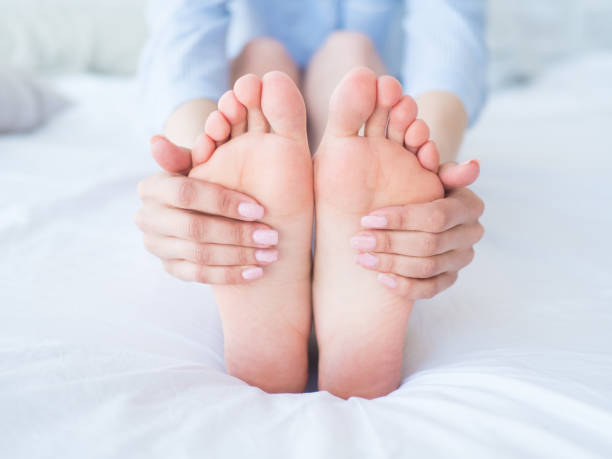
The journey of pregnancy is one filled with joy, anticipation, and a certain degree of discomfort, especially in the feet. While foot massages can be a welcome source of relief, there are clear “no-go” zones—critically, certain areas on a pregnant woman’s feet should be avoided due to potential risks to her and the unborn baby. Through home pregnancy massage practices, or when visiting professional massage therapists, the concern about where not to massage is key. This comprehensive article delves into the delicate art of massaging an expectant mother’s feet, highlighting safe practices and underscoring the pressure points that must be tactfully sidestepped to guard against any inadvertent harm.
Understanding the Importance of Foot Massage During Pregnancy
Pregnancy brings about a significant transformation in a woman’s body, with the feet often bearing the brunt of these changes. Elevated hormone levels and a growing belly shift the body’s center of gravity, resulting in additional strain on the feet. The resulting swelling, fatigue, and aches can make each step a challenge. Foot massages during this delicate time can not only diminish this discomfort but also cater to the emotional well-being of the expectant mother, providing a tranquil respite from the rigors of pregnancy. The concept of what is pregnancy massagerevolves around understanding these needs, ensuring that the therapeutic value of a foot massage hinges on the application of proper techniques to avoid triggering any adverse reactions.
Despite the goodness encapsulated in a foot massage, improperly applied techniques can lead to considerable risk. When it comes to pregnancy and massage, the feet are a roadmap of pressure points, each capable of influencing different parts of the body, including reproductive organs. During pregnancy, the stakes are even higher as certain points relate to the uterus and can induce contractions, posing a substantial risk for premature labor. Consequently, it is paramount that any massage during this sensitive period be administered with the utmost discernment and care.
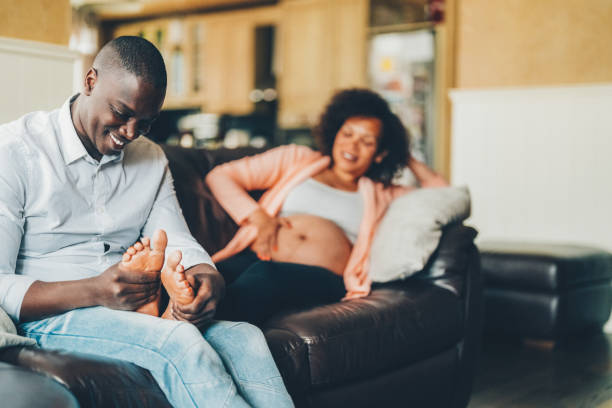
Key Areas to Avoid While Massaging Pregnant Women
There are specific pressure points on the feet that are traditionally thought to correspond with the reproductive system. Most notably:
- The ankle area, particularly the inside above the heel – said to be linked to the uterus and ovaries.
- Just between the Achilles tendon and ankle bone – another spot considered to influence the uterus.
The logic behind avoiding these points ties back to what is pregnancy massage; it’s apart of acknowledging the integration of the body’s meridian network, which is the foundation of acupressure therapy. While the evidence is still a topic of debate, the theory is widely recognized in many cultures, and it is advocated that these areas are capable of stimulating contractions or affecting the baby’s health, especially during the sensitive stages of pregnancy.
| Pressure Points | Location | Corresponding Body Area |
|---|---|---|
| SP6 | Above the ankle, on the inner leg | Uterus/Ovaries |
| KI1 | On the sole of the foot | Pelvis |
| BL60 | Between the Achilles tendon and the ankle bone | Uterus |
Experts generally recommend that these zones not be subjected to deep massage or prolonged pressure during pregnancy. Although scientifically conclusive evidence for these concerns is limited, the consensus errs on the side of caution, advising against manipulation of these points to preclude any potential risks of stimulating labor or causing fetal distress.
Safe Techniques for Pregnancy Foot Massage
When it comes to a home pregnancy massage or receiving one from a professional on a massage Sunday outing, when massage parlors are less crowded and more tranquil, the application of gentle pressure and soft strokes is crucial. It is essential to focus on techniques that avoid the specified pressure points, instead targeting areas that offer safe, soothing relief. Here are the recommended safe zones for a comforting massage:
- The arches of the feet – using light, circular motions can relieve general foot tension without stimulating the sensitive areas.
- The balls of the feet – smooth, gentle presses can alleviate stress while staying clear of the no-go zones.
The art of pregnancy foot massage is not necessarily about the pressure points alone; it’s also about the modality and intensity of the massage. With pregnancy and massage, safety and comfort are paramount, so it’s always best to employ a feather-light touch and move very gently across the foot’s surface, avoiding deep tissue work. Equally important is the open line of communication with the expectant mother, ensuring her feedback guides the process for maximum comfort and minimum risk.
Creating the correct atmosphere can significantly enhance the therapeutic value of a foot massage during pregnancy. Soft lighting, tranquil music, and a comfortable setting not only foster relaxation but also contribute to the overall effectiveness of the massage. A supportive pillow and a warm towel can make a world of difference, transforming a simple foot rub into a serene and safely indulgent experience, be it at the spa or in the comfort of one’s home on a massage Sunday.

When to Seek Professional Advice
Finding solace in a foot massage is one of the many joys of self-care, particularly during the challenging months of pregnancy. However, there is a thin line between self-administered relief and the need for professional advice. Pregnant women should remain vigilant and observant of their bodies throughout the experience. An increase in swelling, persistent pain, or any form of discomfort that does not subside with gentle home pregnancy massage should prompt an immediate consultation with a healthcare provider.
Signs that indicate the need for professional care
Some indications that professional advice is necessary include:
- Persistent or severe swelling in the feet or ankles, which could be a sign of preeclampsia, a serious medical condition.
- Intense or sharp pain that is not alleviated by rest or light massage, potentially indicative of a more profound issue.
When these symptoms present themselves, it’s time to pause the home pampering and seek medical assessment. It’s not just about the immediate discomfort but also about the underlying causes, which could be significant for the health of the mother and baby.
Consulting with healthcare providers before applying massage
Before even beginning a regimen involving pregnancy massage, consulting with healthcare providers ensures safety for mother and child. Many healthcare providers can offer recommendations for home pregnancy massage practitioners specially trained in prenatal care, or at least provide guidelines to follow. Trusting the advice of professionals, who can take into account the full spectrum of an individual’s health profile, underscores the security and benefits of massage during pregnancy.
Alternative Ways to Relieve Foot Stress During Pregnancy
While massage offers one pathway to relaxation and relief, other methods can also contribute to the well-being of expecting mothers. Simple adjustments to daily routines and the incorporation of doctor-approved strategies can significantly aid in ameliorating the stresses of pregnancy, especially in the feet.
Home remedies and safe practices
Home remedies that can serve as alternatives to massage include:
- Warm baths with Epsom salts can provide immense relief for sore and swollen feet.
- Cold compresses might be helpful in reducing swelling and pain after a long day.
Staying well-hydrated and maintaining a balanced diet rich in potassium can also help in minimizing fluid retention that contributes to swollen feet. Regular light exercise, such as prenatal yoga or swimming, can enhance circulation and reduce the likelihood of foot discomfort.
Importance of regular check-ups and healthcare guidance
The prominence of regular prenatal visits can never be overstated. Such check-ups are essential for tracking the progress of the pregnancy and promptly addressing any arising issues. These visits also serve as a platform for expectant mothers to discuss concerns about foot pain or stress and to receive personalized advice on safely managing them.
Conclusion
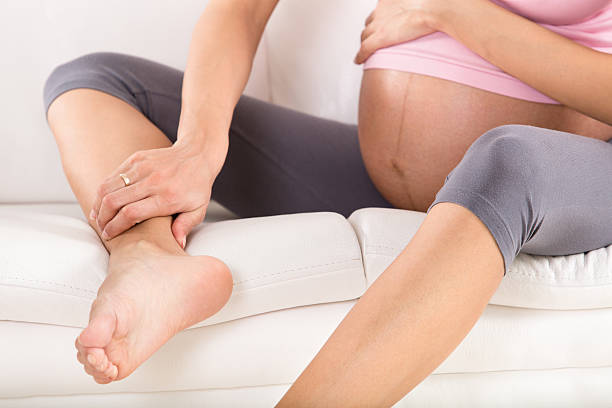
Feet massage during pregnancy can be both a source of deep relaxation and a cause for caution. Understanding the do’s and don’ts, especially relating to the precious cargo of pregnancy, is essential. The principles of what is pregnancy massage should always circle back to safety, comfort, and health for both mother and baby. So while indulgent home massages on a massage Sunday can act as the perfect ending to the week, knowing when to seek professional insight remains key to securing the well-being of two lives.
FAQs
- Is it safe to massage a pregnant woman’s feet?
Yes, it is safe to massage a pregnant woman’s feet, provided it is done carefully, avoiding certain pressure points that may trigger contractions. - What areas should be avoided while massaging a pregnant woman’s feet?
The areas to avoid include pressure points around the ankle and heel related to the reproductive system, such as the SP6, KI1, and BL60 points. - Can a foot massage during pregnancy trigger labor?
There is a belief, especially in traditional practices, that stimulation of certain pressure points may trigger labor. While scientific evidence is limited, it’s recommended to avoid these areas as a precautionary measure. - What are some safe alternatives if I’m unsure about foot massage during pregnancy?
Safe alternatives include taking warm baths, using cold compresses, light exercises approved by your healthcare provider, and wearing supportive footwear. - Should I consult with my healthcare provider before getting a pregnancy massage?
Yes, it is always advised to consult with your healthcare provider before beginning any pregnancy massage routine to ensure the safety of you and your baby.