Ingrown hairs are a common annoyance, often occurring after shaving, waxing, or plucking. They happen when hair grows back into the skin, leading to inflammation and sometimes, scarring. Dealing with the aftermath of ingrown hairs—the unsightly and stubborn scars—can be a frustrating ordeal. Fortunately, various methods can help how to reduce the appearance of scars left behind by ingrown hairs and ensure your skin remains healthy and smooth. The aim of this article is to walk you through these methods to achieve clearer skin.
Understanding Ingrown Hairs
Before diving into scar treatment, it’s essential to understand what causes ingrown hairs. These pesky hair loops back or grows sideways into the skin, often causing irritation. Anyone can get ingrown hairs, but they are more common in people with curly or coarse hair. Scarring can occur when the ingrown hair leads to a serious infection or when improper removal techniques damage the skin. Signs of an ingrown hair include small, round bumps (or pimples), darkened skin, pain, and itching at the site. As with many skin conditions, prevention is key, and understanding the issue is the first step in learning how to heal scars from ingrown hairs.
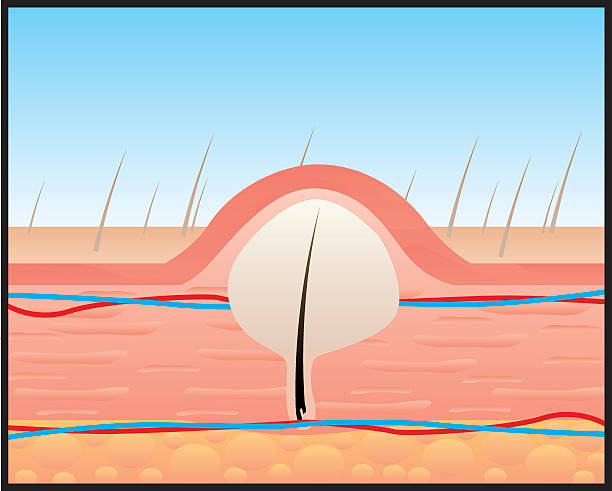
How Scars Form from Ingrown Hairs
When an ingrown hair is picked at or improperly removed, the skin’s surface is disrupted, and fibrous tissue can form over the wound, creating a scar. Depending on the severity of the skin trauma and your skin type, these scars can be temporary or permanent. Not only do they vary in size and color, but they can also affect self-esteem and overall skin appearance. However, different treatments and skincare practices can be employed to reduce the appearance of scars effectively.
Preventive Measures to Avoid Scarring
- Use a sharp, single-bladed razor.
- Moisturize the skin with warm water before shaving.
- Shave in the direction of hair growth.
- Avoid stretching the skin taut.
- Use gentle, minimal strokes without pressing too hard.
- Rinse the blade after each stroke.
By following these steps, you can significantly reduce the risk of developing ingrown hairs and the scars that can result from them.
Skin Care and Hydration
Keeping skin moisturized can prevent the formation of ingrown hairs by facilitating a smoother shave and minimizing skin irritation. Apply a hydrating lotion or cream daily, and ensure you keep the area that’s prone to ingrown hairs well-moisturized, especially post-shave. Optimizing the hydration of your skin not only improves its overall health but also aids in how to heal scars from ingrown hairs by facilitating the natural regeneration process.
Exfoliation to Prevent Ingrown Hairs
Exfoliation is crucial to preventing ingrown hairs. By routinely exfoliating, you remove dead skin cells that can clog pores and hair follicles, leading to ingrown hairs. Use a gentle scrub or a chemical exfoliant like salicylic acid or glycolic acid for regular exfoliation. Avoid over-exfoliating as this can irritate the skin further and complicate the healing process of scars.
Natural Remedies for Healing Scars
Aloe Vera Gel
This natural healer is renowned for its soothing and anti-inflammatory properties. Aloe vera can help repair skin faster and may minimize scar formation. Regular application of fresh aloe vera gel directly on the scar can gradually improve the skin’s texture and appearance, contributing to how to reduce the appearance of scars.
Lemon Juice
High in alpha hydroxy acids (AHAs), lemon juice can help to exfoliate the skin and lighten hyperpigmentation, including dark scars. Apply fresh lemon juice to the scar and let it sit for about 10 minutes before rinsing. It’s vital to do this sparingly and always follow with sunscreen because lemon juice makes the skin more sensitive to UV damage. This simple home remedy can be quite effective in lightening scars and is a natural approach to how to heal scars from ingrown hairs.
Essential Oils
| Essential Oil | Properties | Usage Recommendation |
|---|---|---|
| Lavender | Promotes skin regeneration; reduces inflammation | Mix with a carrier oil and apply |
| Tea Tree | Antibacterial; helps prevent infection | Diluted application |
| Frankincense | Helps with new cell growth, reducing scars | Apply in combination with a lotion |
Incorporating essential oils can be part of a scar-reduction regimen. They should always be used with a carrier oil to prevent skin irritation, and it’s recommended to perform a patch test before widespread use.
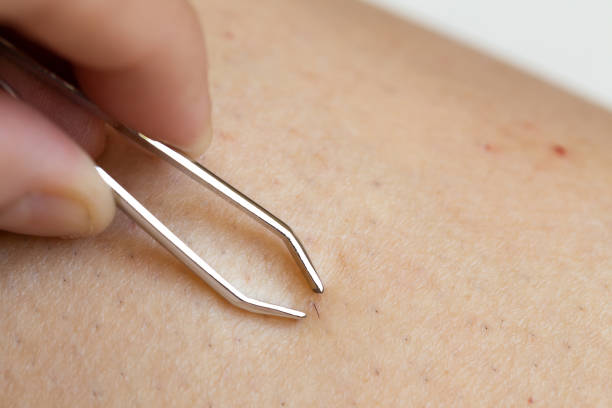
Medical Treatments for Scar Reduction
For scars that are more stubborn or distressing, professional medical treatments can be a worthwhile option. It’s essential to consult with a dermatologist to understand the most appropriate treatment for your skin type and scar condition.
Topical Treatments
There are many over-the-counter and prescription creams designed specifically for scar reduction. Products containing ingredients such as retinoids, hydroquinone, or silicone can aid in healing and lightening the scar tissue. Topical steroids are another option that may help reduce redness and swelling, especially for raised scars. Consistent application as per your dermatologist’s recommendation can significantly improve the scar’s appearance over time.
Laser Therapy
Laser treatment is known for its precision and effectiveness. It helps resurface the skin and encourages the growth of new, healthy skin cells. There are various types of lasers available, including fractional lasers that treat only a fraction of the skin at a time, minimizing recovery periods. The number of sessions required will depend on the severity and age of the scars.
Chemical Peels and Microdermabrasion
Chemical peels involve applying a chemical solution to the skin, which exfoliates the surface and reveals new skin beneath. This can be very effective in reducing hyperpigmentation from scars. Microdermabrasion, on the other hand, physically exfoliates the skin’s top layer, promoting new cell growth. Both treatments should be done by a professional to avoid further irritation to the skin.
- Research and consult a dermatologist.
- Understand the different treatment options and what suits your skin type and scar.
- Follow post-treatment care recommendations to maximize results.
Maintaining Healthy Skin Post-Treatment
After treating scars from ingrown hairs, it’s essential to maintain the health of your rejuvenated skin to prevent the recurrence of ingrown hairs and the formation of new scars.
Continuing Skin Care Routine
Post-treatment skin care is crucial. Stick to a routine that includes cleansing, moisturizing, and applying sunscreen daily. Keep using gentle exfoliants regularly to keep skin smooth and prevent dead skin cell build-up.
Sun Protection
The skin becomes more sensitive after treatments like laser therapy or chemical peels. Sunscreen is your best defense against UV radiation, which can worsen the appearance of scars. Use a broad-spectrum sunscreen with an SPF of at least 30 and reapply it every two hours if exposed to the sun.
Healthy Lifestyle Choices
A well-rounded diet rich in vitamins and minerals can promote skin healing. Foods high in vitamin C, E, and zinc can support the skin’s healing process, while staying hydrated aids in maintaining overall skin health. Additionally, avoiding smoking and reducing stress can also improve skin condition.
- Incorporate a balanced diet.
- Hydrate regularly.
- Avoid harmful habits like smoking.
By following these comprehensive methods to treat and care for your skin, you can significantly reduce the appearance of scars left behind by ingrown hairs and embrace a journey to clearer, healthier-looking skin.
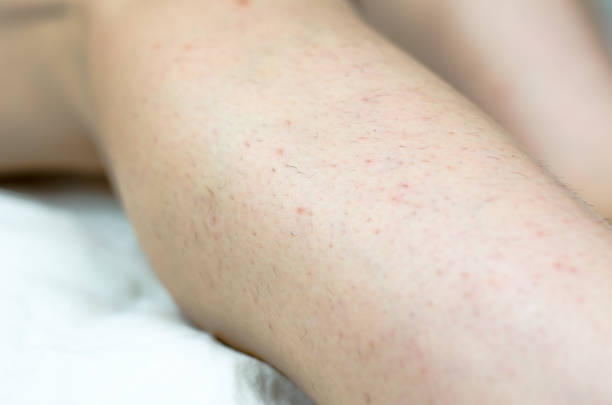
Embracing the Journey
Getting rid of scars from ingrown hairs is a journey that requires patience, persistence, and care. From natural remedies to medical treatments and lifestyle adjustments, the approaches are many, and what works for one person may differ for another. Remember to consult with healthcare professionals when considering advanced treatments and always be kind to your skin as it heals. With the right methods and attitudes, you can achieve smoother, scar-free skin that you feel confident in.
FAQs: Addressing Common Concerns
How long does it typically take to reduce the appearance of scars from ingrown hairs?
- The time it takes to reduce the appearance of scars can vary widely depending on the scar’s size, depth, and your chosen treatment method. Natural remedies may show improvement within weeks to months, while medical treatments can offer faster results, sometimes in just a few sessions. Patience is key, as skin healing is a gradual process.
Can ingrown hair scars be completely eliminated?
- While some scars can be significantly reduced to the point of being barely noticeable, others may not be completely eliminated. The success rate also depends on the type of treatment and the individual’s skin type and healing capacity.
Is it safe to treat ingrown hair scars at home?
- There are safe and effective home treatments, like natural remedies and over-the-counter products. However, it’s crucial to use them correctly and not to pick or scratch the scars, which can cause further damage. For more advanced treatments, it’s safer to seek professional help.
Are there any risks associated with laser therapy for scar reduction?
- As with any medical treatment, there are potential risks. These can include temporary redness, swelling, and in rare cases, changes in skin pigmentation. These risks can be minimized by choosing a qualified and experienced professional to perform the treatment.
How can I prevent ingrown hair scars in the future?
- Preventing ingrown hairs is the best way to avoid scarring. Follow proper hair removal techniques, exfoliate regularly, moisturize your skin, and wear loose clothing to minimize friction. If ingrown hairs do occur, resist the urge to pick at them and treat them gently to prevent scarring.